
Maritime Shipping Business
2025-08-28
For air freight companies, expanding into sea freight business can form a "air-sea linkage" logistics service system, providing customers with more comprehensive and diversified freight solutions. Sea freight, with its large capacity, low cost, and wide coverage, complements the "fast timeliness" of air freight, meeting different customer needs in terms of transportation timeliness, cost, and scale. The following is a detailed description of the core segments of sea freight business:
1. Core Sea Freight Transportation Methods
Sea freight business is mainly divided into the following three core transportation methods based on cargo type, transportation needs, and route characteristics, adapting to freight demands in different scenarios:
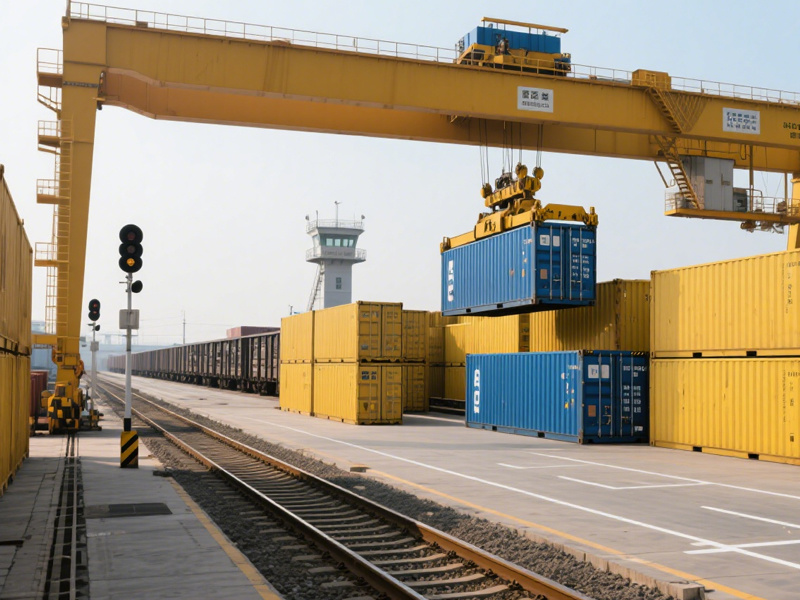
- Full Container Load (FCL) Transportation: Provides exclusive full container transportation services for customers with large cargo volumes (usually enough to fill a 20-foot or 40-foot standard container). From cargo packing, customs declaration, port loading, sea transportation, to unloading and customs clearance at the destination port, the entire process ensures independent storage and transportation of goods, reducing damage and delays during transit. Suitable for bulk commodities (such as minerals, grains, industrial raw materials) and full batch production materials.
- Less than Container Load (LCL) Transportation: For customers with smaller cargo volumes insufficient to fill a full container, multiple shippers' goods are consolidated into the same container by destination to share transportation resources. Through professional cargo sorting and consolidation operations, transportation costs for small batches are reduced. Relying on a dense route network, timely cargo transfer is ensured. Suitable for samples, scattered orders, and e-commerce bulk goods of small and medium-sized trading enterprises.
- Special Cargo Transportation: Provides customized sea freight solutions for special types of cargo. This includes special containers (open-top containers, frame containers) for oversized cargo (such as large machinery and engineering components), refrigerated containers (reefers) for temperature-controlled transport of perishable goods, pharmaceuticals, and chemicals, and compliant transportation of dangerous goods (in accordance with the international maritime dangerous goods regulations IMDG Code). Equipped with professional cargo securing, temperature monitoring, and safety protection equipment throughout the transportation process, fully complying with international and national dangerous goods transportation standards to ensure the safety of special cargo.
2. Full-process Sea Freight Service Links
Sea freight business covers various service modes such as "door-to-door" and "port-to-port," with closely connected full-process links to ensure efficient cargo flow:
- Preliminary Consultation and Plan Customization: Based on the characteristics of the customer's cargo (weight, volume, temperature requirements, dangerous goods classification, etc.), transportation timeliness needs, and destination (near-sea, far-sea), provide sea route recommendations (such as Southeast Asia routes, basic European port routes, US West Coast routes), transportation method selection (FCL/LCL/special transportation), and cost estimation to customize exclusive sea freight plans.
- Cargo Collection and Temporary Storage: Provide door-to-door pickup services or receive goods delivered by customers to designated warehouses; inventory, label, and classify temporarily stored goods; provide dedicated storage environments for special cargo (refrigerated goods, fragile items) to ensure cargo integrity during storage.
- Customs Declaration, Inspection, and Documentation Handling: A professional team assists customers in completing export customs declaration and inspection procedures, including preparing commercial invoices, packing lists, bills of lading, certificates of origin, dangerous goods declarations, and other documents, ensuring accuracy and compliance with customs supervision requirements of both exporting and importing countries to avoid cargo detention due to documentation issues.
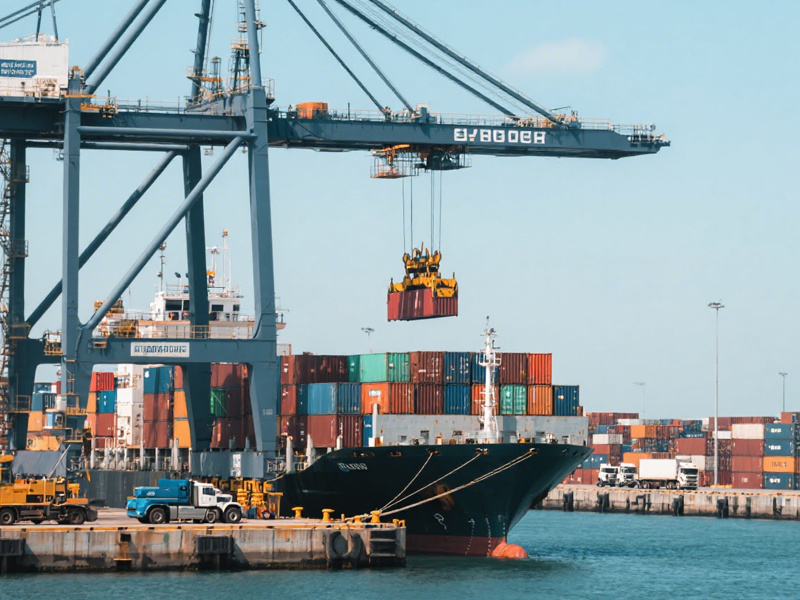
- Port Operations and Loading Transportation: Arrange cargo transport from warehouse to port, complete container loading and sealing; coordinate port terminal operations to ensure timely cargo entry into the port area and customs inspection, smooth loading onto vessels; track vessel status in real time and provide customers with vessel departure time, sailing route, and estimated arrival time, ensuring transparency and traceability of the transportation process.
- Destination Port Customs Clearance and Delivery: Before cargo arrival at the destination port, coordinate with local agents to prepare customs clearance documents; upon cargo arrival, quickly complete import customs clearance and tax payment to avoid demurrage and detention fees; arrange cargo pickup from the port and delivery to customer-designated warehouses, factories, or other destinations via land transport (trucks) or inland waterways, achieving a "door-to-door" closed-loop service.
3. Distinctive Advantages of Sea Freight Business
Compared with air freight, sea freight may not have an advantage in timeliness but has significant features in capacity, cost, and coverage, complementing air freight to meet diverse customer needs:
- Large capacity, suitable for bulk commodity transportation: Standard containers (20GP/40GP/40HQ) can carry tens of tons of cargo per trip, far exceeding the weight limit of single air freight items (usually no more than 100 kg per piece, with total cargo volume limited by aircraft capacity), meeting the bulk transportation needs of minerals, coal, grains, automobiles, large equipment, etc., reducing transportation cost per unit.
- Low cost, significant cost-performance advantage: Sea freight transportation costs are only 1/5 to 1/10 of air freight (depending on route and cargo volume). For non-urgent goods (such as stock inventory and raw material procurement), choosing sea freight can greatly reduce logistics costs and enhance product price competitiveness, especially suitable for long-term, stable large-volume cargo transportation.
- Wide coverage, connecting global trade networks: Sea freight relies on the global port system, with routes covering thousands of ports in nearly 200 countries and regions, reaching inland ports or remote areas difficult for air freight to cover (such as some African ports and South American inland ports), helping customers expand global trade markets, especially in emerging markets.
- High stability, less affected by weather: Compared with air freight, which is easily delayed or canceled due to fog, heavy rain, typhoons, etc., sea vessels have higher sailing stability except in extreme weather (such as super typhoons and tsunamis). Shipping companies plan routes in advance to avoid risks, making transportation plans more executable.
4. Supporting Value-added Services
To enhance the competitiveness of sea freight business, air freight companies can leverage their logistics resources to provide customers with diversified supporting value-added services to increase customer loyalty:
- Cargo Insurance Service: Cooperate with professional insurance companies to provide cargo insurance for sea freight goods, covering risks such as loss, damage, rain exposure, and collision during transportation. Customers can choose the insured amount based on cargo value to reduce property loss risks during transportation.
- Cargo Packaging and Reinforcement Services: Customized packaging services are provided for fragile items (glass products, electronic products) and easily deformed goods (furniture, clothing), such as bubble wrap, wooden crate packaging, and cushioning material filling; for oversized and heavy goods, professional reinforcement methods (such as welding fixation, rope binding) are used to ensure that the goods do not deform or get damaged during transportation.
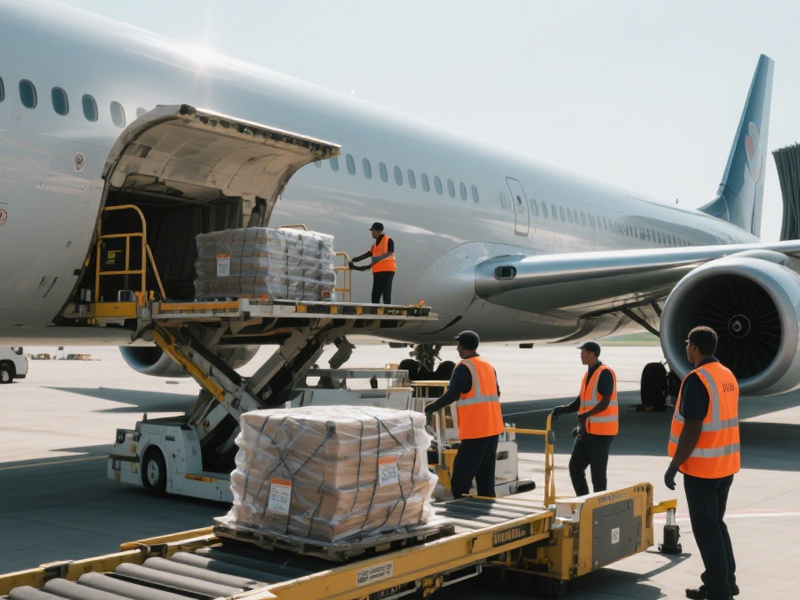
- Integrated Supply Chain Services: Integrating sea, land, and air transportation resources to provide customers with multimodal transport services such as "sea + land" and "sea + air" (for example, goods arriving at a hub port by sea are transferred to air transport to the inland city of destination); combined with warehousing, distribution, and delivery services, offering customers a full-chain supply chain solution from procurement, transportation to sales.
- Real-time Cargo Tracking Service: Through a self-developed logistics management system or third-party platforms, providing customers with 24-hour cargo tracking services. Customers can enter the bill of lading number via mobile app or web portal to view real-time information on cargo storage status, customs clearance progress, vessel location, estimated arrival time, etc., achieving transparent management of the transportation process.
sea freight
Previous Page:
Next Page:
Recommended Business

Phone:
Email:
Leave a Message
Copyright © Beijing Anda Changshun Air Freight Forwarding Co., Ltd.
E-mail:
Tel:
在线客服添加返回顶部
右侧在线客服样式 1,2,3 1
图片alt标题设置: Beijing Anda Changshun Air Freight Forwarding Co., Ltd.
表单验证提示文本: Content cannot be empty!
循环体没有内容时: Content uploading, please wait...
CSS / JS 文件放置地